Advanced Engine Performance Technology
Explore the Power of HEMI Engines: Performance Improvements and Benefits Explained
HEMI engines are well known for their exceptional design and remarkable power potential. Passionate owners regularly explore options to improve their power and efficiency through numerous enhancements. Ranging from air intake adjustments to sophisticated tuning methods, many choices are available. Yet, not every modification delivers identical outcomes. Knowing the most successful approaches and frequent mistakes is critical for optimizing engine performance. What specific upgrades can truly reveal the full potential of these powerful engines?
What Are HEMI Engines and Why Do They Stand Out?
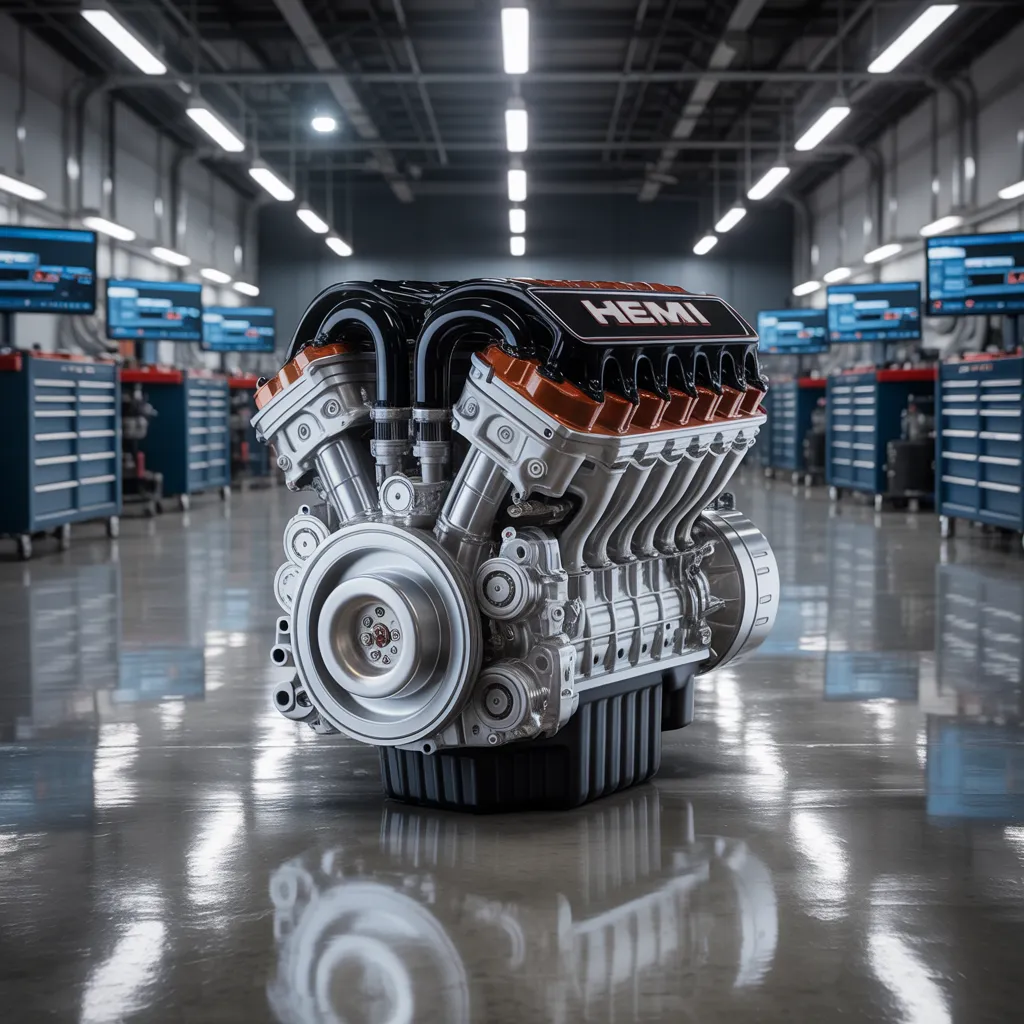
HEMI powerplants, celebrated for their iconic hemispherical combustion chambers, have earned a legendary status in the world of automobiles. Their unique design promotes efficient airflow, enabling better fuel combustion and improved power output. The shape of the combustion chamber maximizes the angle at which the air-fuel mixture enters, improving performance across multiple RPM ranges.
These engines typically feature a tapered piston, which works in harmony with the hemispherical chamber, leading to a more efficient combustion process. This results in greater torque and horsepower output compared to traditional flat-head engines. Additionally, HEMI engines frequently employ a double overhead cam setup, greatly boosting performance and responsiveness.
The blend of these mechanical features not only supports their exceptional performance but also delivers a unique auditory experience, making them a top choice among automotive enthusiasts. Their heritage continues to grow, symbolizing power and innovation in the motor vehicle industry.
Increasing Horsepower Through HEMI Modifications
Enhancing horsepower in HEMI engines can be accomplished through a number of effective modifications. Essential upgrades include enhancing intake air systems, installing high-performance exhaust modifications, and investigating multiple tuning solutions for the engine. Each of these modifications is essential for maximizing engine efficiency and output.
Air Intake Systems
When exploring performance enhancements for HEMI engines, intake systems serve a vital purpose in boosting horsepower. These systems work to improve airflow entering the engine, enabling improved combustion and greater power output. By upgrading factory air intakes to high-performance units, drivers can significantly minimize air restrictions, producing enhanced throttle response and quicker acceleration. Aftermarket air intake systems often feature wider diameter pipes, enhanced air filters, and improved cold air induction designs, which contribute to a more efficient engine operation. Additionally, they can enhance engine sound, delivering a more aggressive tone on the road. Overall, upgrading the air intake system can be a vital step for enthusiasts aiming to achieve the maximum performance from their HEMI engines.
Exhaust System Performance Upgrades
Optimizing the exhaust system is an essential step for improving the performance of HEMI engines. A high-performance exhaust system facilitates improved airflow, lowering back pressure and permitting the engine to run more smoothly. This boost in performance leads to higher horsepower and torque. Components such as headers, cat-back systems, and performance mufflers can greatly alter exhaust flow dynamics. In addition, these modifications can elevate the engine's sound, giving it a more aggressive tone that many enthusiasts value. When paired with other modifications, such as enhanced air intake systems, the results are considerably stronger. Overall, performance exhaust upgrades serve as an essential step for those looking to maximize the performance of their HEMI engines.
Motor Tuning Options
Engine tuning strategies play a pivotal role in maximizing the full potential of HEMI engines. By adjusting the engine's air-to-fuel ratio, ignition timing, and other parameters, drivers can greatly boost horsepower and torque. Widely used methods feature reprogramming the engine control unit (ECU) with performance tunes, allowing for improved fuel efficiency and timing precision. Additionally, aftermarket tuners often supply customizable options that cater to specific driving styles, whether for daily use or track performance. Combining performance upgrades, such as cold air intakes or high-flow fuel injectors, enhances the benefits of tuning. Overall, a proper tuning strategy not only enhances engine capability but also improves throttle response, making it a vital consideration for HEMI owners pursuing a more exhilarating drive.
Premier Performance Modifications for HEMI Engines
Numerous enthusiasts look to improve the performance of HEMI engines to release their full potential. Essential upgrades consist of cold air intakes, which enhance airflow and increase horsepower. Performance exhaust systems are equally important, as they reduce backpressure and enhance engine sound. Upgrading the camshaft can optimize valve timing for greater torque and horsepower, while high-performance fuel injectors guarantee a more efficient fuel delivery.
Furthermore, installing a premium throttle body delivers faster throttle response and improved airflow. Engine tuning, through a custom ECU remap, can maximize performance gains from these enhancements by calibrating fuel maps and ignition timing. Finally, incorporating a large-capacity oil cooler can improve engine endurance by keeping consistent temperatures during enthusiastic driving. These upgrades operate together to convert a factory HEMI engine into a performance machine, giving enthusiasts with a exciting driving sensation.
Tips for Improving HEMI Fuel Efficiency
While performance upgrades often dominate discussions about HEMI engines, fuel economy is just as crucial for enthusiasts seeking to harmonize power and efficiency. A number of approaches can enhance fuel economy without compromising performance.
Routine maintenance is essential; ensuring the engine discover the information remains properly tuned, encompassing prompt oil changes and air filter swaps, ensures optimal performance. Additionally, using high-quality fuel can enhance combustion efficiency. Tyre pressure ought to be tracked and kept at proper levels, as correctly inflated tires minimize rolling resistance.
Driving habits also play a significant role; adopting smoother acceleration and braking can lead to substantial fuel savings. Minimizing unnecessary weight in the vehicle and clearing out unessential cargo can help boost overall efficiency.
To conclude, utilizing the use of fuel-saving driving modes, when applicable, permits drivers to optimize settings for greater mileage. When following these methods, HEMI drivers can enjoy better fuel efficiency without sacrificing their engine's outstanding power.
How Exhaust Upgrades Can Enhance Your HEMI Performance
Upgrading the exhaust system can substantially improve HEMI performance by enhancing exhaust flow dynamics. This not only provides greater horsepower potential but also produces a more impressive engine sound quality. Such enhancements can revolutionize the driving experience, making it both more responsive and exhilarating.
Improved Exhaust Flow Dynamics
Improved exhaust flow dynamics are fundamentally important in enhancing HEMI engine performance, as high-performance exhaust systems can greatly reduce backpressure. By incorporating high-performance headers, increased diameter tubing, and high-flow catalytic converters, the exhaust gases can leave the engine with greater ease. This minimization of backpressure allows for more rapid exhaust expulsion, supporting enhanced air intake and improving combustion efficiency. As a result, HEMI engines gain notable horsepower and torque improvements, along with improved throttle sensitivity. Additionally, these upgrades can lead to greater fuel efficiency, making them an attractive option for power-focused drivers. Overall, implementing exhaust flow improvements not only elevates engine output but also unlocks the engine's full capabilities, ensuring a superior and exciting driving experience.
Enhanced Engine Sound Quality
Once exhaust upgrades are put in place, they not only boost a HEMI engine's power output but also significantly enhance its sound quality. Upgrading the exhaust system allows for a bolder and more polished exhaust note, providing a richer, more pronounced sound that many automotive fans find attractive. This improvement is accomplished through components such as performance mufflers and high-flow catalytic converters, which minimize back pressure and improve the overall acoustic experience. The sound created by a enhanced exhaust system contributes to the vehicle's identity, helping it distinguish itself on the road. Additionally, a properly calibrated exhaust can evoke a sense of power and performance, enhancing the driving experience for HEMI owners while attracting attention from fellow automotive enthusiasts.
Greater Horsepower Potential
Exhaust enhancements reveal substantial performance potential in HEMI engines, transforming their performance capabilities. By improving exhaust flow, these upgrades reduce back pressure, enabling the engine to operate more efficiently. Performance headers and cat-back exhaust setups enhance the expulsion of exhaust gases, which produces improved engine efficiency. This enhanced flow not only leads to greater horsepower but also improves throttle response, rendering acceleration more responsive and forceful. Additionally, lightweight components can lower total vehicle weight, consequently improving overall performance. When integrated with complementary enhancements, such as cold air intake modifications, the horsepower gains can be even more pronounced. Ultimately, exhaust upgrades offer HEMI owners a straightforward and effective method to extract maximum power and performance from their engines.
Professional Tuning Strategies for HEMI Engines
Releasing the full capability of HEMI engines necessitates a deep understanding of high-performance tuning approaches. These techniques include adjusting engine control units (ECUs) to improve fuel maps and ignition timing, which substantially improves performance. Personalized tuning empowers enthusiasts to modify settings based on targeted upgrades, such as custom intakes or exhaust systems.
Furthermore, utilizing engine performance chips can yield rapid increases in power and torque output by fine-tuning key parameters for better fuel efficiency and power delivery. Performance data logging tools are invaluable for tracking engine performance in the moment, making possible fine-tuned adjustments that optimize fuel ratios and boost pressure.
Furthermore, sophisticated tuning may include refining camshaft configurations and valve timing sequences, optimizing engine airflow for peak efficiency. Through employing such approaches, HEMI enthusiasts can attain considerable advances in both performance and drivability, converting their cars into high-performance machines that showcase their personal driving preferences and unique vehicle specifications.
Frequent Mistakes to Avoid When Enhancing Your HEMI
What pitfalls should HEMI enthusiasts be aware of during their upgrade journey? One frequent error is failing to research compatibility when choosing components. Many enthusiasts purchase components without verifying their fit for specific HEMI models, leading to performance issues or costly returns.
Another common mistake is failing to recognize the significance of tuning after upgrades. Modifications and upgrades typically demand recalibration of the engine's computer to enhance performance, and overlooking this process can produce underwhelming results.
Additionally, some often underestimate the importance of professional installation. Amateur modifications can cause mistakes, above all with intricate systems.
Finally, enthusiasts often favor aesthetics over functionality, spending money on eye-catching upgrades that fail to improve overall output. By avoiding these pitfalls, HEMI owners can secure a smoother upgrade process and achieve the desired improvements successfully.
Commonly Asked Questions
What Cars and Trucks Frequently Utilize HEMI Engines?
HEMI engines can frequently be found in various Dodge and Chrysler vehicles, among them the Charger, Challenger, Ram trucks, and Jeep Grand Cherokee. These engines have earned a strong reputation for their power and performance capabilities across multiple models.
How Does a HEMI Engine Compare to a V8?
A HEMI engine commonly delivers greater power and torque output when measured against a traditional V8, due to its specialized hemispherical combustion chamber configuration. This design enhances performance and efficiency, making HEMIs popular among performance enthusiasts.
How Dependable Are HEMI Engines for Daily Use?
HEMI engines are broadly recognized as trustworthy for regular driving, providing a combination of power and longevity. A large number of drivers cite commendable lifespan and performance, making them a viable choice for regular use in various driving conditions.
What Is the Background Behind HEMI Engines?
HEMI engines first emerged in the mid-twentieth century, utilizing a hemispherical chamber design that enhanced efficiency and performance. Initially popular in racing, they earned widespread popularity in everyday vehicles, enhancing performance and solidifying their legendary status.
Can a HEMI Engine Be Installed in Any Vehicle?
Mounting a HEMI engine within virtually any vehicle is feasible, but calls for considerable adjustments. Alignment with the vehicle's chassis, transmission, and electrical components must be considered, alongside regulatory requirements and emissions guidelines in the region.